
Written by :
Published on :

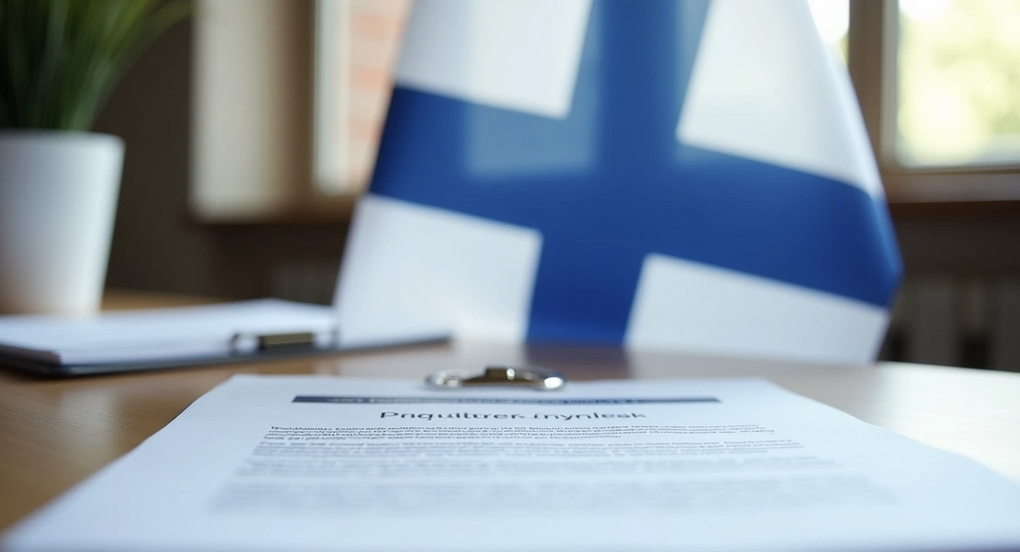
Finland is undergoing one of the most significant regulatory shifts in European gambling history. After decades of operating under a state-controlled monopoly through Veikkaus, the Finnish government has made the landmark decision to open its gambling market to private operators through a competitive licensing system. This transition, set to reshape the landscape in 2026, marks Finland's alignment with the broader European trend toward regulated, multi-operator gambling frameworks.
The reform has been years in the making. Public debate around the monopoly intensified as evidence mounted that Finnish players were increasingly turning to offshore operators that offered better odds, larger game selections, and more attractive bonus structures. Rather than continuing to lose market share to unlicensed platforms, the Finnish government chose to modernize its approach, creating a system that balances consumer protection with market competition.
For players, industry observers, and operators alike, understanding the details of this reform is essential. The new framework will determine which companies can offer gambling services in Finland, what consumer protections will be enforced, and how taxation and licensing fees will be structured.
The Veikkaus Monopoly: Why Change Was Necessary
Veikkaus, the state-owned gambling operator, held exclusive rights to all forms of gambling in Finland, including lotteries, sports betting, casino games, and slot machines. The company generated billions in revenue, with profits directed toward public funding for arts, sports, science, and social welfare programs. On the surface, the monopoly served its purpose: it kept gambling under government control and channeled proceeds into public goods.
However, the monopoly model struggled to keep pace with the digital age. Online gambling transformed consumer expectations, and Finnish players found that international operators offered superior products. Studies estimated that a significant portion of Finnish gambling expenditure was flowing to offshore sites operating outside Finnish jurisdiction. This leakage represented both lost tax revenue and a gap in consumer protection, since offshore operators were not subject to Finnish regulations regarding responsible gambling measures.
Investigative reporting has shed light on the challenges facing gambling regulation globally. Bloomberg's in-depth analysis of cryptocurrency casino operations, available at Bloomberg, revealed how unregulated platforms can exploit players through opaque algorithms and influencer-driven marketing tactics. Finland's decision to regulate rather than prohibit reflects a pragmatic understanding that prohibition simply drives activity underground.
The political momentum for reform built steadily through 2024 and 2025, with cross-party support in the Finnish parliament. Lawmakers recognized that a well-regulated multi-operator market could achieve the same social funding goals as the monopoly while providing better consumer experiences, more robust problem gambling protections, and increased tax revenue from a larger, compliant operator base.
How the New Licensing System Works
Finland's new gambling licensing framework establishes several categories of licenses. Online casino operators, sports betting providers, and lottery services each require separate authorizations. The licensing authority, operating under the Ministry of the Interior, evaluates applicants based on financial stability, technical capability, responsible gambling programs, and compliance history in other regulated markets.
License fees and tax rates have been structured to attract reputable operators while ensuring substantial public revenue. The gross gaming revenue tax rate is competitive with other European markets, designed to discourage operators from maintaining offshore structures. Importantly, the framework includes provisions for ongoing compliance monitoring, with regular audits and the authority to suspend or revoke licenses for violations.
Player protection measures are central to the new system. All licensed operators must implement deposit limits, self-exclusion tools, reality checks, and mandatory breaks during extended play sessions. A centralized self-exclusion registry will allow players to block themselves from all licensed platforms simultaneously, addressing a key weakness of the previous system where self-exclusion applied only to Veikkaus services.
For Finnish players navigating the transition to the new multi-operator market, reliable information sources are essential. Platforms like hyvatkasinot.net serve as comprehensive guides, helping players compare licensed operators, understand bonus terms, and make informed decisions about where to play in the newly regulated environment.
Impact on Finnish Players
The most immediate benefit for Finnish players is choice. Where the monopoly offered a single platform with limited game variety, the licensed market will feature multiple operators competing for players through better game selections, promotional offers, and user experiences. Competition drives innovation, and Finnish players can expect faster payment processing, more diverse game libraries, and improved mobile interfaces.
Bonus structures represent another significant change. Under the Veikkaus monopoly, promotional offers were minimal. In a competitive market, operators use welcome bonuses, free spins, cashback programs, and loyalty rewards to attract and retain players. Finnish regulations will require transparency in bonus terms, ensuring that wagering requirements, time limits, and other conditions are clearly communicated before players opt in.
Payment options will also expand considerably. While Veikkaus supported standard Finnish banking methods, international operators typically offer a wider range of options, including e-wallets, prepaid cards, cryptocurrency in some cases, and instant banking solutions. Finnish players will benefit from faster withdrawals and more flexibility in managing their accounts.
However, the transition also requires players to exercise greater diligence. With more operators in the market, the risk of encountering unlicensed or poorly regulated platforms increases. Players should verify that any operator they use holds a valid Finnish license and should be cautious of platforms that do not appear on the official registry maintained by the licensing authority.
Responsible Gambling in the New Framework
Finland's reform places responsible gambling at the forefront. The new legislation mandates that all licensed operators contribute to a national problem gambling fund, which finances treatment programs, research, and public awareness campaigns. This collective funding model ensures that responsible gambling initiatives are adequately resourced regardless of individual operator performance.
Technology plays a crucial role in the new responsible gambling framework. Operators must deploy algorithmic monitoring systems that detect patterns of potentially harmful behavior, such as chasing losses, increasing deposit frequency, or extended play sessions without breaks. When such patterns are identified, operators are required to intervene with mandatory cooling-off periods or direct outreach to the player.
Advertising standards will also be strictly regulated. The new framework limits gambling advertising during certain hours, prohibits targeting of minors, and requires all promotional materials to include responsible gambling messages and helpline information. Influencer marketing of gambling products will be subject to specific disclosure requirements, reflecting growing concerns about the role of social media in normalizing gambling behavior among younger demographics.
European Context and Market Comparisons
Finland's transition mirrors reforms undertaken by other European nations. Sweden opened its gambling market in 2019, Denmark in 2012, and the Netherlands launched its regulated online market in 2021. Each of these markets provides valuable lessons about the challenges and opportunities of transitioning from monopoly or prohibition models to regulated competition.
Sweden's experience has been particularly instructive for Finnish policymakers. After initial concerns about market saturation and aggressive marketing by new operators, Sweden implemented additional restrictions on bonuses and advertising. Finland has incorporated these lessons into its framework from the outset, adopting stricter initial parameters rather than waiting to address problems after they emerge.
The global gambling market continues to grow at a steady pace, with projections indicating the industry will reach nearly 730 billion dollars by 2030. Finland's reform positions the country to capture a larger share of this growth within a regulated framework. For the latest developments and trending stories in the gambling sector, Gambling911's live news updates provide continuous coverage of regulatory changes, market trends, and operator news across global markets.
What Comes Next for Finland's Gambling Market
The initial licensing round is expected to generate significant interest from major European and international operators. Companies with established presences in Sweden, Denmark, and the UK are likely candidates, as their existing compliance infrastructure can be adapted to meet Finnish requirements relatively quickly.
Veikkaus itself will continue to operate in the new market, though it will need to compete on equal terms with private operators. The company's strong brand recognition and existing customer base provide advantages, but it will also need to modernize its product offering and marketing approach to retain market share against well-funded competitors.
For the broader Finnish economy, the reform represents an opportunity to attract investment, create technology jobs, and generate additional tax revenue. The gambling technology sector employs thousands of professionals across Europe, and Finland's strong technology talent pool makes it an attractive location for operators looking to establish development centers or regional headquarters.
Finland's gambling market reform is a bold step that reflects the country's willingness to adapt its regulatory approach to changing consumer behavior and market realities. By prioritizing both competition and consumer protection, Finland aims to create a gambling market that serves players, supports public funding goals, and maintains the highest standards of responsible gambling practice. The coming months will reveal how effectively these ambitious goals translate into reality.
References
https://www.bloomberg.com/news/features/2026-02-27/how-businessweek-analyzed-crypto-casino-stake-s-slots-gameplay
https://gambling911.com/gambling/gambling911-top-trending-live-gambling-news-updates-247-22-03-2026.html
https://igamingbusiness.com/legal-compliance/compliance/2026-gambling-predictions-the-year-ahead-for-regulation-and-compliance/
- B.E. Delmer, Gamlbing911.com





