

Written by :
Published on :
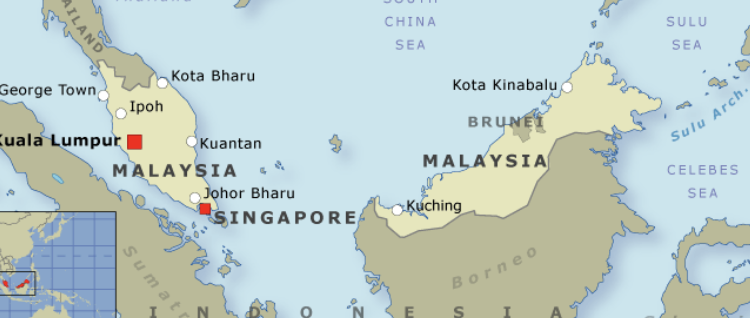
Southeast Asia’s online gambling industry is experiencing a major boom, driven by tech-savvy consumers and cultural enthusiasm. In particular, Malaysia and Singapore stand out as key markets leading this growth. Global projections mirror this trend – the online gambling market was valued at around USD 78.7 billion in 2024 and is on track to nearly double to USD 153.6 billion by 2030. Fuelled by widespread smartphone adoption and a passion for gaming, both countries are helping transform iGaming (interactive gaming) from a niche pastime into a mainstream form of entertainment across the region.
Southeast Asia’s Online Gambling Surge
The broader Southeast Asian region has emerged as a hotbed for online betting and casino platforms. A young population, improving internet access, and rising disposable incomes have created fertile ground for iGaming services. Asia-Pacific’s influence is especially notable – the region is expected to add approximately 333 million new mobile internet users by 2025, meaning tens of millions of new potential players coming online. Many of these new users are in Southeast Asia, where internet penetration is climbing rapidly.
In Malaysia and Singapore, nearly everyone is connected via smartphones or broadband. Malaysia boasts a large base of internet users (over 88% of its population online) and a strong betting culture. Singapore, meanwhile, is highly urbanized with almost 100% internet access and a tech-forward populace. This connectivity translates to growing demand for convenient digital entertainment, including sports betting, online casinos, poker, and even emerging niches like fantasy leagues. Industry reports estimate Southeast Asia’s online betting market to keep expanding by around 10% annually in the coming years, underscoring the sustained momentum.
Regulations vary by country – Singapore tightly controls online betting through licensing (only a few operators like Singapore Pools are authorized), whereas Malaysia has strict laws against physical gambling, but online gambling remains in a grey area. Despite Malaysia’s restrictions, interest has skyrocketed: international betting sites actively target Malaysian players, knowing there is a large audience of eager sports fans and casino enthusiasts. In short, demand in both countries is strong, and operators are finding ways to serve players within or around local legal frameworks. The result is a surging Southeast Asian iGaming scene contributing significantly to the global online gambling boom.
Enthusiastic crowds at eSports and gaming events reflect Southeast Asia’s passion for online gaming. Major tournaments in the region, like Singapore’s Dota2 Major, drew hundreds of millions of views worldwide, highlighting how mainstream competitive gaming has become.
Mobile-First Culture: The Dominance of Smartphones
One of the defining traits of Malaysia’s and Singapore’s gambling markets is their mobile-first culture. Both countries have high smartphone penetration – about 87% of Singaporeans and a similar share of Malaysians use smartphones, making mobile devices the primary gateway to online services. As a result, successful iGaming platforms prioritize sleek mobile websites and apps. Players want the freedom to place bets or play casino games on the go, whether during a commute or while watching a live sports match at a cafe.
The industry has responded by investing heavily in technology for mobile accessibility. Many top betting sites in Southeast Asia offer lightweight, responsive mobile platforms that load fast even on basic devices or slower connections. They often release dedicated apps on Android and iOS, but also ensure the web-based experience is just as smooth. Features like one-tap sign-ins, fingerprint authentication, and streamlined betslip interfaces are now common, all aimed at making mobile wagering effortless.
Crucially, these platforms recognize that mobile users demand reliability and speed. Bettors expect live odds to update in real time and casino games to run without hiccups on their phones. In Malaysia, for example, data shows a huge shift to mobile internet usage – consumers often skip desktop entirely. It’s no surprise that operators design products “mobile up” rather than simply mobile-friendly. This means considering smaller screen sizes, touch controls, and shorter user attention spans from the very start of development. The result is an array of mobile-centric innovations: push notification score alerts, in-app live streaming of matches, and easily reachable support chat within apps, to name a few.
All these efforts have paid off. Mobile betting now accounts for the majority of online gambling revenue in the region. Whether it’s a quick sports bet during lunch or a few rounds of slots at home on a tablet, Malaysian and Singaporean players clearly prefer the convenience of handheld play. As smartphone adoption grows across Southeast Asia, the mobile-first approach is set to remain the cornerstone of iGaming growth. In fact, analysts attribute much of the projected market expansion to this accessibility – more people can join online betting simply because they have a mini-casino or sportsbook in their pocket at all times.
Esports and Youth Culture Drive Change
Another factor shaping the iGaming landscape in Malaysia and Singapore is the rise of esports and a vibrant youth gaming culture. Over the past decade, competitive video games have transformed from a niche hobby to a mass phenomenon in Southeast Asia. Games like Dota 2, Mobile Legends, and Counter-Strike enjoy huge followings, and both countries have produced top-tier esports teams and events. This has, in turn, fed directly into the growth of esports betting as a new pillar of online gambling.
Singapore, for example, hosted the Dota 2 Singapore Major 2021, a tournament that drew over 274 million livestream views worldwide – an astounding figure that showcases the region’s love for competitive gaming. Such events spark tremendous engagement among young adults, many of whom are eager to add an extra layer of excitement by betting on esports matches. Bookmakers have taken notice and now offer markets on everything from major international tournaments to local campus esports leagues. In Malaysia, where traditional sports betting might be restricted, esports provides an alternative arena for youth to test their predictive skills legally (since wagering on esports often flies under the regulatory radar or is offered by offshore sites).
The demographics tell the story: Millennials and Gen Z make up a large portion of Malaysia’s and Singapore’s population, and they are digital natives who grew up with gaming. This cohort is more likely to follow an esports championship than, say, golf or horse racing. They crave interactive, fast-paced entertainment, and esports betting aligns perfectly with those interests. A recent industry analysis highlighted that the global esports sector is expanding at double-digit rates – about 14% annual growth from 2020 to 2024, according to PwC’s report – and Southeast Asia is one of the hottest regions in that surge.
It’s not just about esports, though. Youthful enthusiasm extends to sports and social betting as well. Football (soccer) is immensely popular in both countries, creating large communities of fans who engage in fantasy football contests and friendly wagers. International sporting events like the FIFA World Cup or English Premier League have massive followings; during big matches, it’s common for friend groups to place informal bets or partake in online prediction games. This cultural backdrop means that as soon as these fans discover organized online betting platforms, they find a natural extension of their passion.
All these trends point to a generational shift: younger bettors are diversifying the market with new preferences. They expect betting options on video games, virtual sports, and in-play micro bets that align with fast-paced sports or esports action. In response, many platforms serving Malaysia/Singapore now cover everything from Dota 2 match winners, to how many kills a player will get to which team scores the first goal in a football match. The inclusion of these novel markets is attracting first-time bettors who might never have tried gambling if it were limited to old-school games. By embracing esports and youth culture, the iGaming industry in Southeast Asia is both growing its user base and evolving its products to fit modern tastes.
Building Trust and Loyalty on Betting Platforms
With so many new players joining online gambling platforms, platforms are in a race to build trust and loyalty. In an environment where competitors are a click away, Malaysian and Singaporean bettors will quickly flock to sites that offer the best experience – and abandon those that don’t. Key aspects that determine whether a platform wins long-term loyalty include security, user experience, customer service, and local relevance.
Security & Fair Play: Players need assurance that the games aren’t rigged and that their money is safe. Top platforms operating in these markets typically carry reputable licenses (for instance, from Malta or the UK) and use audited Random Number Generators for casino games. They also employ SSL encryption and robust account protections. When Malaysian and Singaporean users see these measures in place, it boosts confidence that they’re betting on a secure and fair site.
Payment Convenience: Another trust factor is offering convenient, localized payment options. In Malaysia, that means supporting bank transfers with local banks, e-wallets like GrabPay or Touch ’n Go, and even cryptocurrencies for the tech-savvy. Singaporean users might prefer credit cards, PayNow, or other local fintech solutions. Fast payouts are equally crucial – nobody wants to wait weeks to receive winnings. Platforms that consistently process withdrawals within 24-48 hours gain a strong reputation among the community.
User Experience: A smooth, intuitive interface goes a long way in keeping bettors happy. Features like easy navigation, quick bet placement, and clear displays of odds and balances all contribute to a positive experience. Sites like BK8 have invested heavily in user-friendly design, knowing that tech-savvy users appreciate clean, mobile-optimized layouts. In fact, players often do their homework before committing to a platform – reading a detailed bk8 malaysia review or similar write-ups to understand the site’s features and reputation. These reviews highlight aspects like bonus offers, variety of games, and quality of odds, which help bettors decide if a platform deserves their trust.
Customer Support: When issues arise, responsive customer service can make or break trust. The leading Southeast Asian platforms typically offer 24/7 live chat support (with agents fluent in English, Malay, Mandarin, etc.), along with rapid email responses. Knowing that help is readily available gives users peace of mind.
Bonuses & Rewards: Loyalty programs also encourage players to stick around. Many sites provide VIP tiers, cashback deals, and generous welcome bonuses tailored to the region. For example, it’s common to see a first deposit match bonus in Malaysian ringgit or Singapore dollars, plus ongoing reload bonuses during big events like the EPL season or Chinese New Year. These rewards not only attract new sign-ups but also keep existing customers engaged over the long term.
In essence, platform loyalty is earned through a combination of reliability and player-centric offerings. Below are some of the key factors that Southeast Asian players consider when choosing (and staying with) an online betting platform:
- Fast & Secure Payouts: Quick withdrawals, multiple trusted payment methods, and stringent security for transactions.
- Great Odds & Game Selection: Competitive odds on sports (especially popular leagues like EPL) and a wide range of casino games, from slots to live dealer tables.
- Responsive Support: 24/7 customer service with local language options and knowledgeable support staff.
- Local Touches: Offering content and promotions relevant to the local culture (e.g., promos for badminton tournaments or eSports events beloved in Malaysia/Singapore).
By excelling in these areas, a platform becomes more than just a website – it becomes a preferred destination that players return to and recommend to friends. In the crowded Southeast Asian market, trust is the ultimate currency, and companies that invest in it are reaping the rewards in user loyalty.
Global Impact and High-Profile Sponsorships
Interestingly, the influence of Malaysia’s and Singapore’s iGaming boom isn’t confined to their borders – it’s making waves internationally through high-profile sponsorships and partnerships. Asian betting brands have increasingly appeared on the global stage of sports, leveraging the region’s love of sports to boost their visibility. A prime example is BK8, which in recent years expanded its reach by signing sponsorship deals with major European football clubs. In fact, BK8 became the official Asian betting partner of no fewer than five Spanish La Liga clubs in the 2021-22 season, including famous teams like Valencia and Athletic Bilbao. This move not only signaled BK8’s growth ambition but also underscored Southeast Asia’s growing clout in the global sports betting industry.
Such sponsorships are win-win. The Asian operator gains prestige and brand recognition by associating with top-tier teams, while the clubs receive significant financial support. It taps into the global fan engagement cycle – Southeast Asian fans follow European football avidly, so seeing a familiar regional brand on LED boards or jerseys during matches reinforces the brand’s credibility back home. It also sends a message that the company is here to stay, operating at the highest level of the industry.
BK8 is not alone; other betting platforms from the region have pursued similar strategies. It’s become common to see Premier League and Champions League partnerships with Asian betting firms. In the English Premier League, for instance, many clubs have had Asian betting companies as shirt sponsors or regional partners. This trend reflects how Southeast Asia’s betting market has matured – companies are competing not just locally but on global marketing platforms. They are willing to invest millions into sports marketing, recognizing that football and other sports have truly worldwide audiences that include their target customers.
Beyond football, Southeast Asian iGaming brands also engage in esports sponsorships and celebrity endorsements. A number of platforms sponsor esports teams or tournaments in the region, which helps them connect with younger audiences. Others have hired international sports legends as brand ambassadors (some Malaysian-facing sites, for example, have enlisted retired Premier League stars to represent them). All these efforts increase brand visibility and trust, which in turn attracts more users.
From the perspective of Malaysia and Singapore, having local or regional brands visible globally instills a sense of pride in the community of players. It demonstrates that their homegrown betting culture is on par with the world’s best. However, it also brings greater scrutiny: global deals mean these companies must uphold high standards of integrity and social responsibility, as they are effectively representatives of the Asian gambling scene to the world.
Looking Ahead: Innovation and Responsible Growth
As Malaysia and Singapore continue to drive Southeast Asia’s iGaming boom, the focus is on innovation with a dose of responsibility. Innovation is evident in the way platforms are adopting new technologies – for instance, some sites are exploring AI-driven personalized recommendations (suggesting bets or games based on a user’s behavior) and more sophisticated data analytics to set odds and detect fraud. Virtual reality casinos and augmented reality elements for sports viewing are also on the horizon, promising to blur the line between online and real-life gaming experiences in the next decade.
At the same time, there’s growing awareness of the need for responsible gambling measures. With rapid growth comes the risk of problem gambling if left unchecked. Regulators in both countries have taken steps: Singapore has strict self-exclusion programs and limits on mass advertising for gambling, while Malaysia’s government periodically issues warnings and blocks unlicensed gambling websites. The leading platforms themselves are increasingly adding responsible gaming tools – features like deposit limits, cooldown periods, and self-assessment quizzes to help players gamble within their means. These are welcome developments to ensure that the industry’s expansion does not come at the cost of community well-being.
In conclusion, Malaysia and Singapore exemplify the dynamic fusion of technology, culture, and entertainment that is propelling Southeast Asia’s online gambling boom. A mobile-first population, passionate youth-oriented gaming communities, and savvy platforms like BK8 have together created a vibrant ecosystem that is reshaping what it means to bet and play in the digital age. The region’s influence is now global, yet it retains a flavor all its own – one of multicultural excitement, innovation, and continuous evolution. If the current trends hold, Southeast Asia’s iGaming wave will keep rising in the years ahead, bringing millions more into the fold, but also reminding the world that with great growth comes the responsibility to game safely and sustainably for the long run.
- B.E. Delmer, Gambling911.com





