

Written by :
Published on :
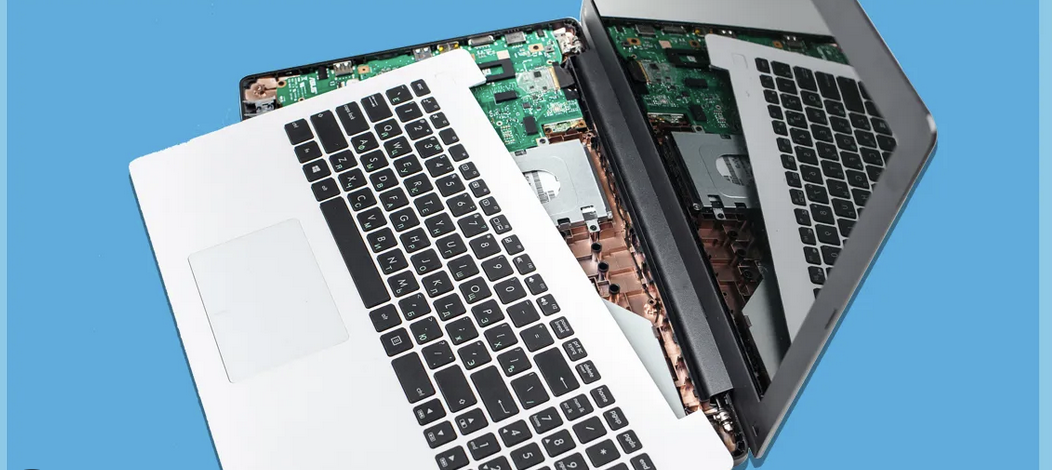
What do you do when your computer starts lagging — open a new tab and look for a replacement?
You’re not alone. For a lot of people, buying a new PC feels easier than figuring out what’s wrong with the old one. Upgrading sounds technical. Maybe even a bit intimidating. So the default decision is: replace.
But that’s not always the smartest move.
If you look at how technology is evolving, the trend is pretty clear — keep what works, improve what doesn’t. You can see it in software, in digital platforms, and even in how online services like online gambling systems are built today. For example, a modern casino platform doesn’t get rebuilt from scratch every time it needs improvement — it evolves through systems like the one you can explore on this Kanggiten website.
The same idea applies to your computer.
Instead of replacing the entire machine, modular upgrading means changing only the parts that are actually holding you back. Maybe your system needs faster storage. Maybe it’s struggling with memory. Fixing those specific issues is often quicker — and much cheaper — than starting over.
And there’s something else worth thinking about. According to the United Nations, the amount of electronic waste generated every year is massive — and still growing. A lot of those devices weren’t “dead.” They were just… outdated in one or two areas.
So before you decide your computer is done, it’s worth asking a different question:
Is it really time to replace it — or just time to upgrade it?
Why Replacing Your PC Isn’t Always the Smartest Choice
It’s easy to assume that a slow computer means it’s time for a new one. But most PCs don’t fail all at once — they slow down in specific areas.
In many cases, the issue comes down to just one or two components. A traditional hard drive might be slowing everything down. Limited RAM can make multitasking frustrating. Or an older graphics card might struggle with newer applications. The rest of the system is often still perfectly usable.
The problem is that full replacement has become a habit. It’s quick, convenient, and heavily promoted — but it’s also expensive and often unnecessary.
There’s also a hidden cost: waste. According to the Global E-waste Monitor, only a small percentage of global electronic waste is properly recycled.
When you replace an entire PC, you’re discarding working components that could still be used. That means wasted materials, energy, and resources that went into producing them.
So instead of asking “What’s the newest model I can buy?”, a better question is:
“What exactly is slowing my current system down?”
What Modular Upgrading Actually Means (and Why It Works)
“Modular upgrading” sounds more complicated than it really is.
In simple terms, it just means this: instead of buying a whole new computer, you upgrade the part that’s causing the problem. This concept of isolated improvements is also seen in the digital world; for instance, online gaming platforms use modularity to quickly integrate new software features and different variants of online casino games.
That’s how most performance issues actually work. Your PC doesn’t suddenly become useless — it just starts slowing down in certain areas.
A slow hard drive, for example, can make your entire system feel outdated. Not enough RAM can turn basic multitasking into a headache. Fixing those things doesn’t require a new machine — just the right upgrade.
Most people start with:
- RAM — if things freeze or lag when multitasking
- SSD instead of HDD — if your system feels slow overall
- GPU — if you’re dealing with games or heavy visuals
The nice part? You don’t need to upgrade everything. Even one change can make a noticeable difference.
How Modular Upgrading Saves You Money Over Time
A new computer is a big purchase. Most people don’t plan for it — it just happens when their current one gets too frustrating to use.
But that frustration usually comes from one specific issue, not the entire machine.
Switching to an SSD can make your computer feel fast again almost instantly. Adding more RAM can stop those slowdowns and freezing. These are relatively small upgrades, but they have a real impact on everyday use.
Instead of spending a large amount in one go, you’re making smaller, practical fixes only when needed.
Over time, that approach saves more than you might expect.
You’re not replacing your computer every few years — you’re simply keeping it in good shape.
The Environmental Impact of Smarter Upgrades
Saving money is one benefit — but the environmental impact is just as important.
Every replaced computer adds to the growing e-waste problem. The world produces tens of millions of tons of e-waste each year, and only a fraction is properly recycled.
Computers contain materials that are difficult to recover and potentially harmful if discarded incorrectly. Replacing devices too early means those resources are wasted.
By upgrading instead of replacing, you extend the life of your device and reduce the demand for new production.
Even keeping a computer for a couple of extra years can make a difference — especially when many people make the same choice.
A Simple Upgrade Roadmap: Where to Start
If you’ve never upgraded a computer before, the hardest part is knowing where to begin.
Start with what feels wrong.
Is your computer slow to turn on? Does it lag when you multitask? Do certain apps take too long to load?
Those small frustrations point directly to the issue.
If it’s slow overall, it’s often storage. If it struggles with multiple apps, it’s usually RAM. If visuals lag, it may be the graphics card.
You don’t need to fix everything. Just fix the one thing that’s clearly slowing you down.
One upgrade is often enough.
Over time, this becomes a much easier way to manage your PC. Instead of waiting until it’s unusable, you just make small improvements when needed.
Upgrade Smarter, Not More Often
Most computers don’t actually need to be replaced as often as we think.
They just start feeling slow — and that’s usually what pushes people to replace them.
Modular upgrading gives you another option.
Instead of starting over, you look at what’s actually causing the issue — and fix that.
You don’t need to keep up with every new release. You don’t need to spend a large amount all at once. And you don’t need to throw away a system that still works.
You just make small improvements when needed.
Over time, that approach feels more practical. It saves money, reduces waste, and makes your technology last longer.
So the next time your computer starts slowing down, take a moment before replacing it.
There’s a good chance it doesn’t need replacing at all — just a smart upgrade.
- B.E. Delmar, Gambling911.com





