

Written by :
Published on :
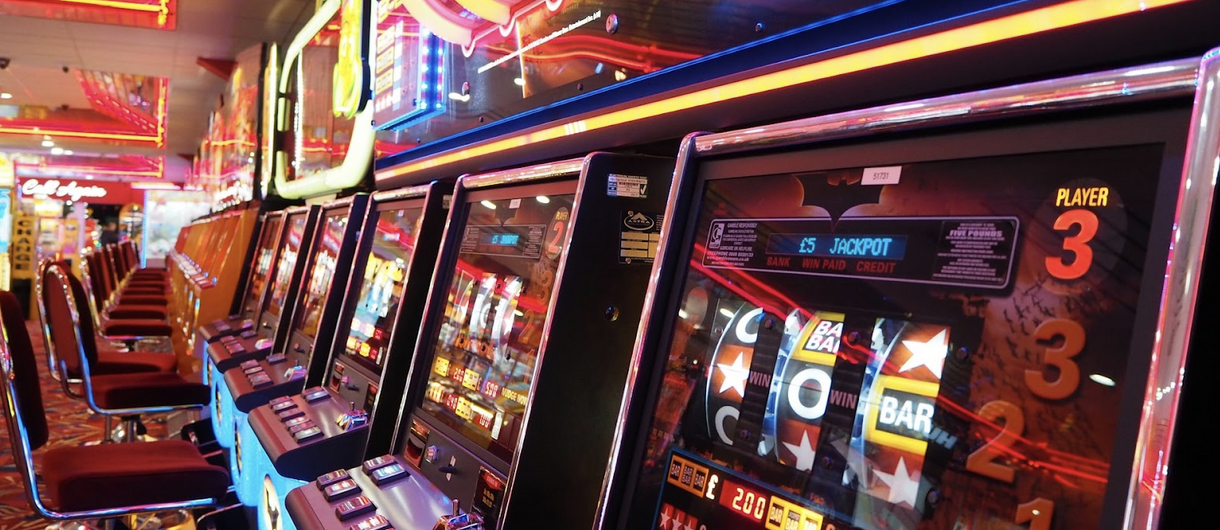
The design of casino games has changed dramatically in the 21st century. Buoyed by tremendous growth across the iGaming sector, the range and type of games found on today’s most popular platforms have expanded in a major way compared to the earliest iterations of online casinos. These days, slot games feature far more graphics-rich designs, with some even comparable to the most stunningly developed console games.
Other changes include more sophisticated gameplay. Options like cascading reels, more creative ways of triggering bonuses, and even story-driven games are all the rage now. Even table games have changed. Classics like poker and blackjack feature dozens of variations and now come in live-dealer formats that enable 4K streamed games that are interactive and feature social elements.
For a taste of which trends are likely to carry over into 2026 releases, these are our top 10 picks for casino game design trends to expect in upcoming games.
1. Softer Color Palettes That Reduce Visual Fatigue
Online casino games traditionally tended to use all the same design features as physical casinos. That meant bright colors, nostalgic sound effects, and dazzling effects were common. While these still feature, many offshore casino platforms have now moved on to softer color palettes that are better for mobile optimisation. These tend to reduce visual fatigue, meaning players can enjoy longer sessions without taking too much strain.
However, in the US, depending on which state you live in and how offshore casino licensing works in the region you want to play in, it can be tricky finding the best sites. Gaming experts recommend using professional online iGaming review sites to ensure players can find safe and secure offshore sites to play on. The best sites tend to offer progressive features like softer color palettes, while still catering to sought-after perks like instant payouts, large gaming libraries, and welcome bonuses.
The difference between these platforms and other, more archaic ones is that these often use cutting-edge research that considers modern issues. As more modern players become aware of the issues that can come with too much screen time, features like softer visual displays can make a world of difference, especially for photosensitive players.
2. Cleaner Layouts With Better Spacing
As the iGaming space for online casinos becomes more and more competitive, aspects like UX come into play more often these days. This plays a significant role in how games are designed and laid out. Many sites actually lose players early on or fail at long-term retention because they are simply designed too complexly.
The layout and spacing between menu options and other features make a difference. On sites that are too cluttered, players report issues like accidental taps or being unable to easily locate necessary functions or games. This can be down to lazy or purely ignorant UX. In more amateur platforms, they can be the result of a deliberate attempt to cram in too many features. In such cases, operators erroneously conflate a lot of features and buttons with added quality.
3. Simplified User Interfaces With Fewer Distractions
Building on the need for simple layouts, in casino game design, quantity doesn’t always mean quality. In many cases, users can become overwhelmed or frustrated by cramped or overly complicated layouts that make navigating the platform a chore. The goal should be simplicity and ease of access, so players don’t have to put in much effort to find their way around and understand how the platform works. The result is that user interfaces are now built around simplicity and clarity. Designers remove anything that does not directly support gameplay.
4. Smooth Animation That Feels Purposeful
Animation is another core element of game design. Despite its obvious attractiveness and widespread appeal, modern designers deliberately use it with restraint. With a less is more philosophy driving this trend, the idea is to be purposeful and not overwhelming.
Micro animations provide subtle feedback for actions like button presses, menu selections, or setting changes. The role of animation in gaming should be for movements to confirm input without drawing focus away from the game. Purposeful animation adds polish and responsiveness while maintaining a calm and controlled experience that feels steady rather than overwhelming.
5. Sound Design That Supports Relaxed Play
Audio design has shifted toward atmosphere rather than intensity. Background music stays soft, rhythmic, and unobtrusive, creating a sense of continuity without demanding attention. Sound effects remain clear but controlled, avoiding sharp or repetitive noises that could cause fatigue over time. Many games now offer separate controls for music, effects, and voice elements. This gives players the freedom to adjust sound levels based on personal preference or environment.
6. Mobile-First Design Across All Features
Designers increasingly begin development with mobile screens as the primary focus. Buttons are sized for thumb input, spacing reduces accidental taps, and text remains readable without zooming. Button should also be clearly understandable and fit for purpose. For example, with crypto betting now such a large market, buttons that facilitate crypto wallet deposits and withdrawals should be easy for even novice digital asset holders to understand and use.
Vertical play options should also appear more frequently, reflecting how players naturally hold their devices. Layouts adjust automatically, maintaining visual consistency across orientations. This mobile-first approach ensures games feel native to phones rather than reduced versions of desktop designs.
7. Performance Focused Visual Assets
Upcoming games place greater emphasis on performance efficiency. Visual assets are optimized to load quickly and maintain smooth frame rates. This reduces waiting times at launch and prevents stuttering during gameplay, which can disrupt immersion.
Efficient asset design also allows games to run well on mid range devices. Smooth performance improves accessibility and keeps frustration low. When games respond instantly and remain stable, players are more likely to stay engaged for longer periods.
8. Customization Options That Respect Player Comfort
Customization has become an expected part of modern game design. Players can often adjust animation speed, visual intensity, and interface size to suit their preferences. These options allow individuals to shape the experience without altering core mechanics.
Some games also offer background changes or alternative visual themes. These features help reduce repetition and improve comfort during extended sessions. Personalization makes games feel adaptable and responsive, encouraging players to return more frequently.
9. Clear Feedback and Transparent Progress Indicators
Designers are prioritizing clarity when communicating outcomes. Wins, bonuses, and progress indicators appear in clear formats that are easy to understand at a glance. Visual cues replace complicated text, allowing players to interpret results instantly.
Typical game elements like progress meters and trackers provide a sense of movement without pressure. They show advancement in a straightforward way, supporting confidence and trust. Transparent feedback helps players stay informed without overwhelming them with unnecessary detail.
10. Long Session Comfort as a Core Design Goal
The most important trend connects all others. Upcoming casino games are built with long-term comfort as a guiding principle. Visual balance, interface flow, audio restraint, and performance stability work together to support steady engagement.
Rather than chasing constant stimulation, designers now focus on moderation and consistency. Games aim to remain enjoyable over extended periods by respecting player attention and comfort. This shift reflects a deeper understanding of how people engage with games over time.
- B.E. Delmer, Gambling911.com





